
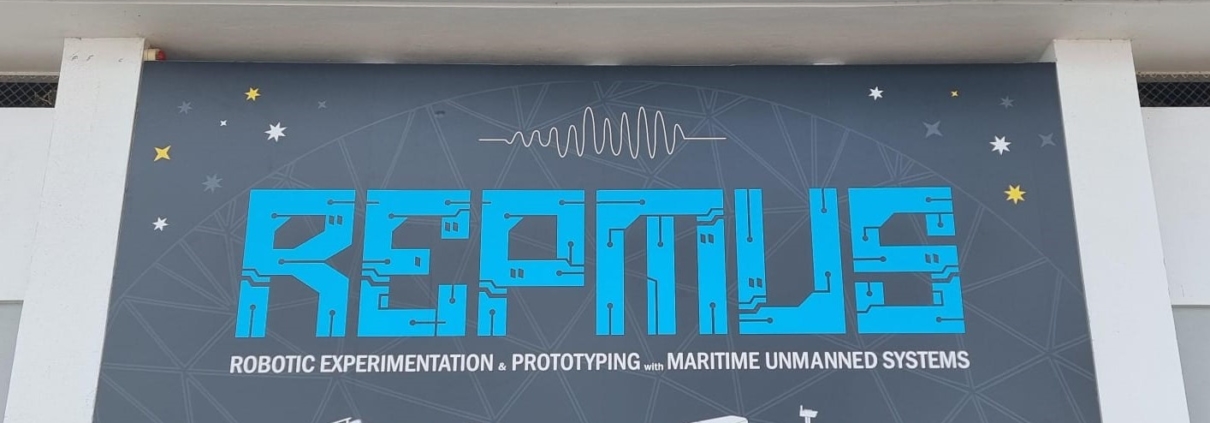
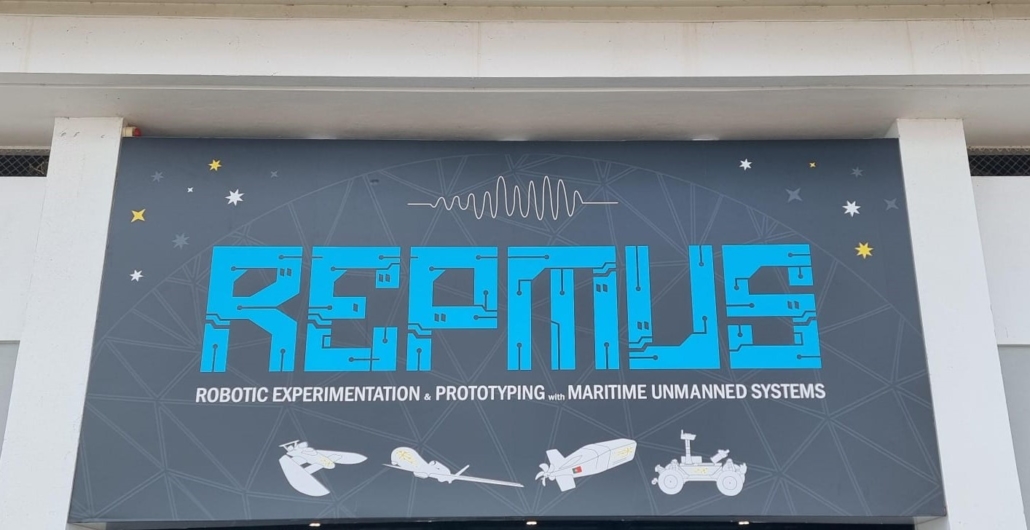
SEAWINGS in REPMUS 2024
SEAWINGS representatives from INESC TEC, LPRC – La Palma Research Centre and Porvalor attended the REPMUS event on September 25, in Tróia, Portugal, held at the CEOM facilities (Navy Operational Experimentation Center).
REPMUS is an exercise dedicated to Robotic Experimentation & Prototyping with Maritime Unmaned Systems, where Navy representatives from various countries conduct relevant activities related to the topic.
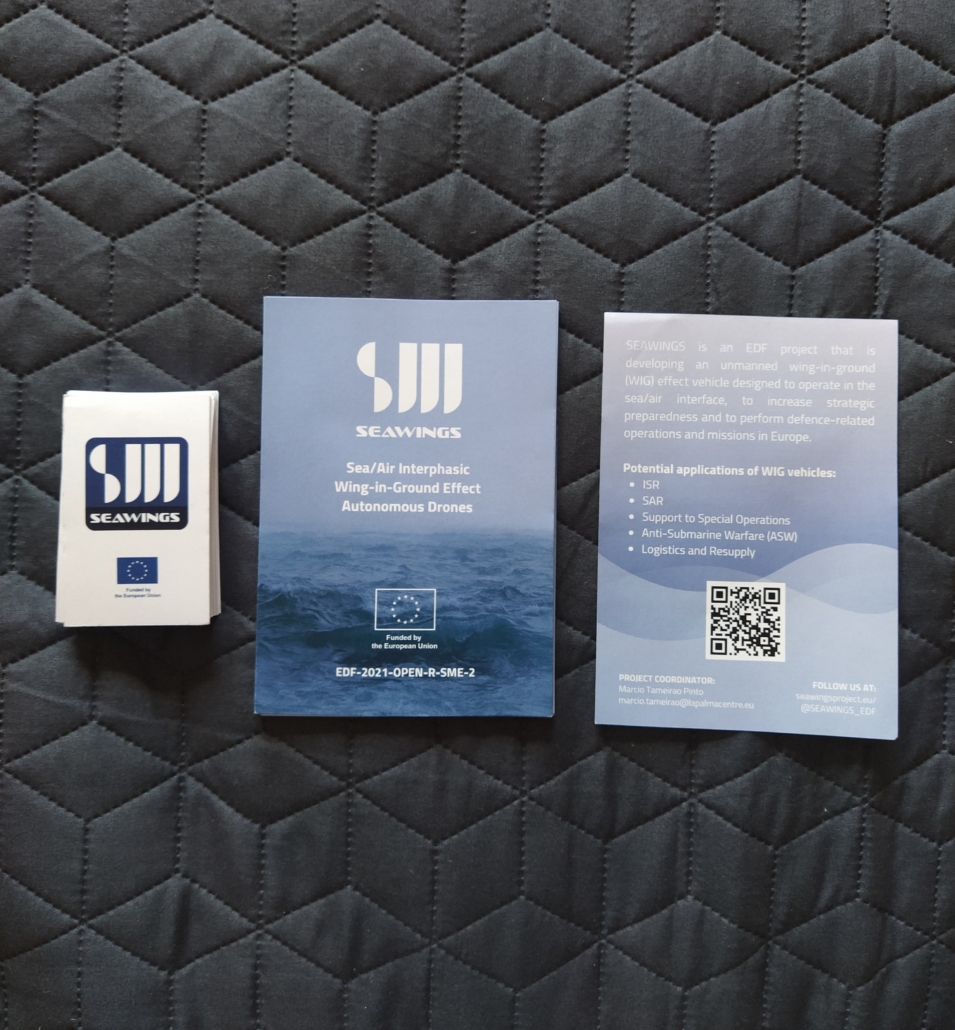
In this opportunity, the SEAWINGS team engaged with potential end-users of the proposed WIG vehicles, from the Portuguese and Spanish Navies, who have been contributing to SEAWINGS tasks in the past years. Communication materials (flyers and business cards) were distributed to foster follow up and raise awareness about SEAWINGS.
In addition, discussions and a workshop in REPMUS allowed the collection of insights and validation about the potential missions where SEAWINGS can add value as a military asset.
Special thanks to our partners INESC TEC for facilitating access to REPMUS 2024!
Review meeting, phase I
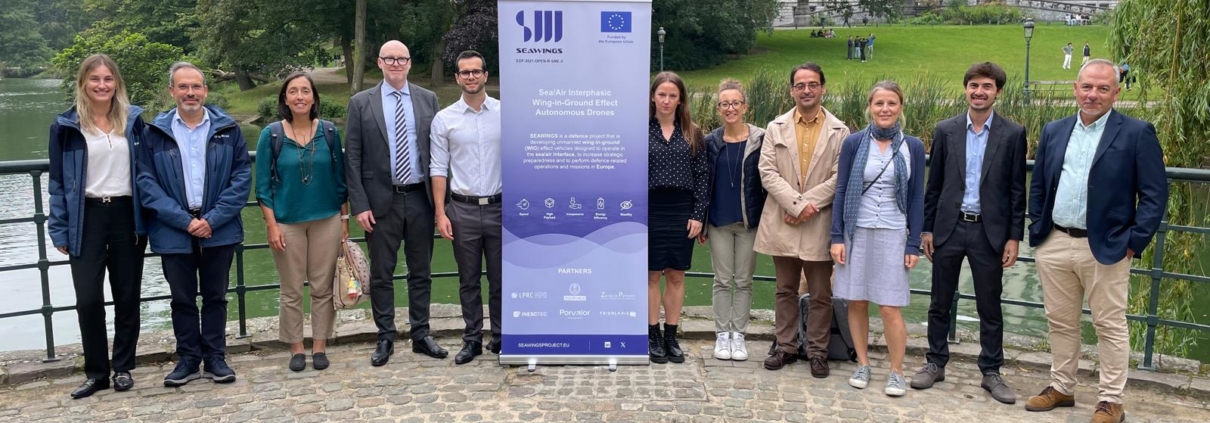
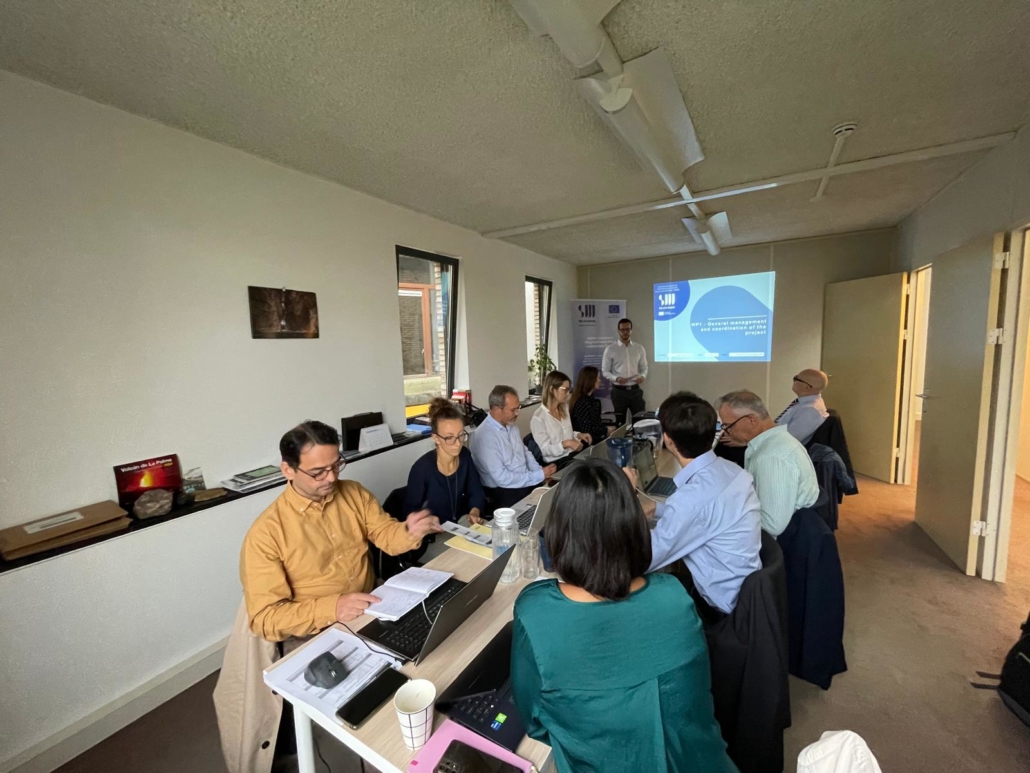
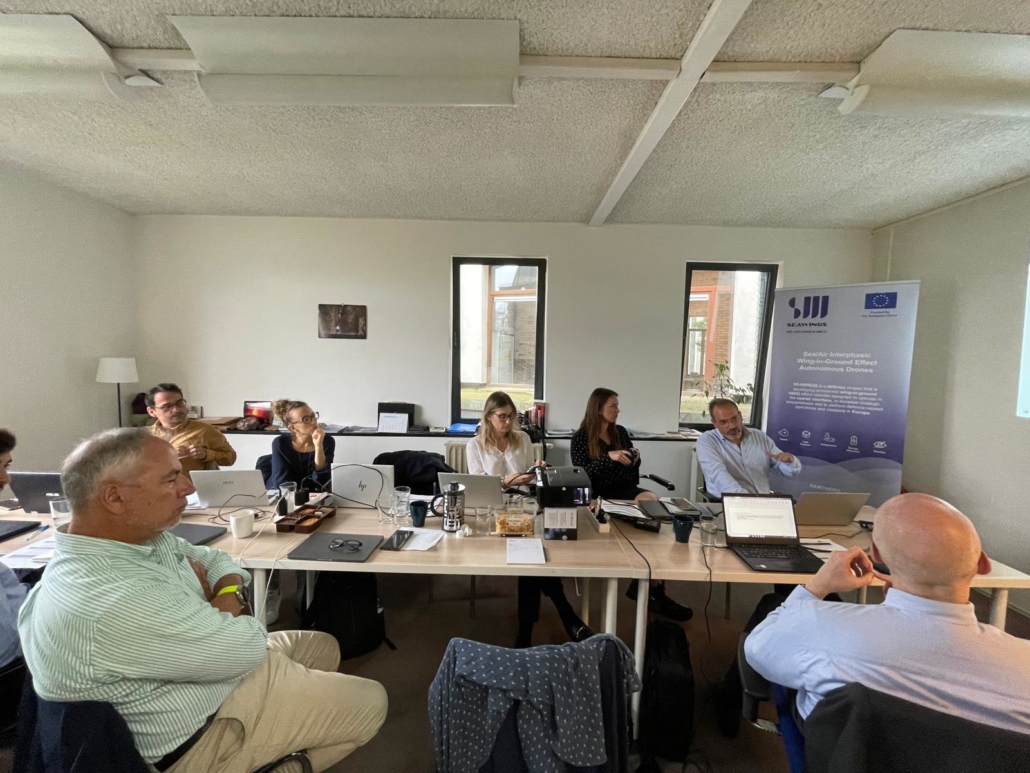
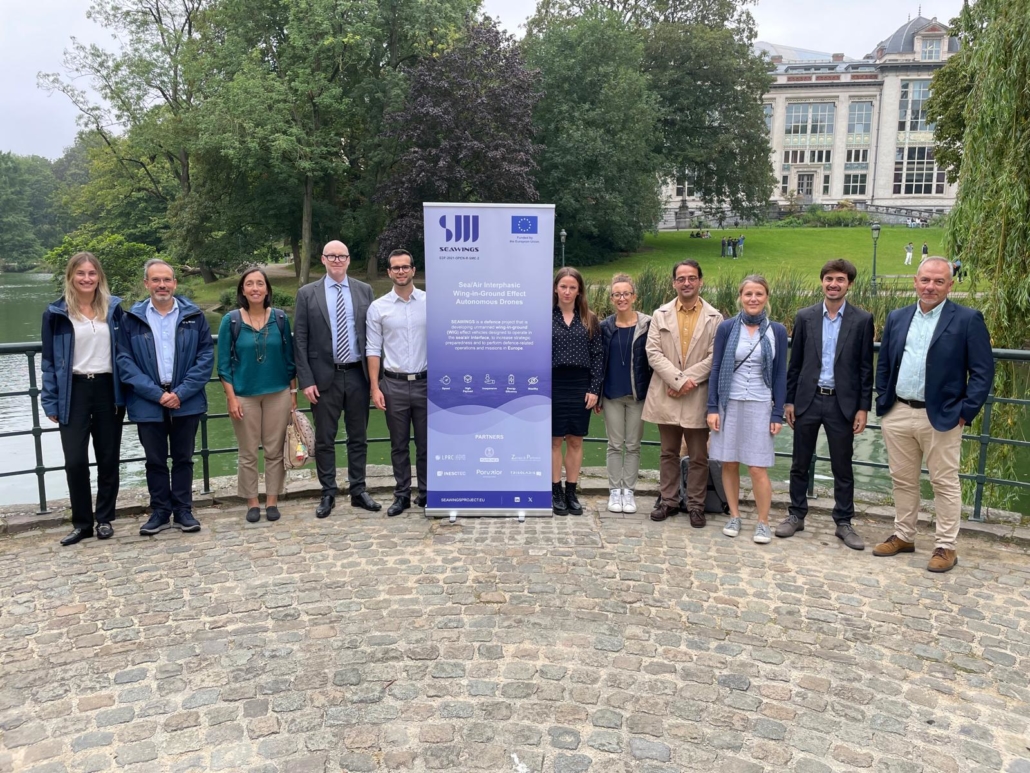
The SEAWINGS project, funded by the European Defence Fund (EDF), held its first Review Meeting in Brussels, Belgium, on 5th September 2024. The event was hosted by the coordinating organisation LPRC. The primary objective of the event was to bring together project partners and the Project Officer – the representative of the European Commission – to present and discuss the ongoing tasks within the 5 Work Packages (WPs) that have been running during the first reporting period: from December 2022 to May 2024.
Marcio Tameirao Pinto, representing LPRC as coordinator of the project, opened the event with welcoming words, followed by the presentations envisaged in the agenda of the event, covering administrative, research and technical aspects of the development of SEAWINGS. The main purpose was to present the work that have been implemented during the reporting period, timeline, challenges, risks, and the workplan for the upcoming months:
- WP1 – General management and coordination of the project . Delivered by LPRC.
- WP2 – User requirements, interoperability, policies and standards. Delivered by Z&P and Porvalor.
- WP3 – Foundational research and conceptualization. Delivered by UPM and INESC TEC.
- WP4 – Mechatronics, guidance, navigation, and autonomy and control experiments. Delivered by UPM and Trisolaris.
- WP5 – Perception and sensor fusion, monitoring and visualization, avionics experiments. Delivered by INESC TEC.
The last session of the meeting was dedicated to open discussions and suggestions provided by the Project Officer. After the presentations and fruitful discussions, the SEAWINGS partners are aligned and committed to work hard on the implementation of the project tasks in the short, medium, and long term period.

Summary of activities in Year 1
During the first 12 months, the SEAWINGS project comprised several critical activities, spanning from project management, research, and technical development. The following tasks were concluded and reported in the respective deliverables:
- The risk management plan was pre-defined at the proposal stage and further discussed and supplemented during the first months of SEAWINGS implementation. Particular attention was paid to the confidential handling of results;
- An IPR management plan detailed measures to define and implement a knowledge protection strategy. It prioritised elements such as the status of IP filings, ownership considerations and licensing issues;
- The report on end-user requirements encompassed the expectations and demands of expected end-users of the SEAWINGS vehicle. This research covered diverse aspects such as case scenarios, mechanical properties, level of autonomy, and other essential functionalities;
- Findings from virtual and physical scale models were described in the “Report on Simulations and Scaled Model Field Testing”. The report focused on control aspects, offering insights into the performance of SEAWINGS model under various conditions;
- An extensive research into the regulatory landscape of the case study countries and the European Union named “Detailed Report on European Regulations and Policies for WIG Crafts”. The primary goal of the report was to identify standards, regulations, and systems that could influence the introduction of WIG crafts;
- Summarizing the research on cutting-edge perception algorithms, the “Report on Innovative Perception Methods for WIGs” underscored the importance of swift and effective perception for SEAWINGS;
- Finally, the views and feedback of the Advisory Board was reported containing external input, ideas, views, and advice in shaping the project’s direction and decision-making processes.